

Choosing between private vs shared sober living apartments can feel more confusing than expected.
At first, more privacy sounds like the obvious choice. More space feels more comfortable. But in sober living, the better option is usually the one that helps consistency, not just comfort. The real decision comes down to what kind of environment supports you best.
For some women, privacy creates stability. For others, too much independence can slowly become isolation. Shared living can feel supportive and grounding for one person, while feeling overwhelming for someone else.
When comparing sober living apartment options, ask yourself:
- Do I do better with more independence or more accountability?
- Would privacy help me feel stable or disconnected?
- Would shared support feel helpful or stressful?
- What setup is most likely to support consistency?
The right choice is not about what sounds better. It is about what will realistically work for your day-to-day life.
Private Sober Living Apartments: More Independence, More Personal Space
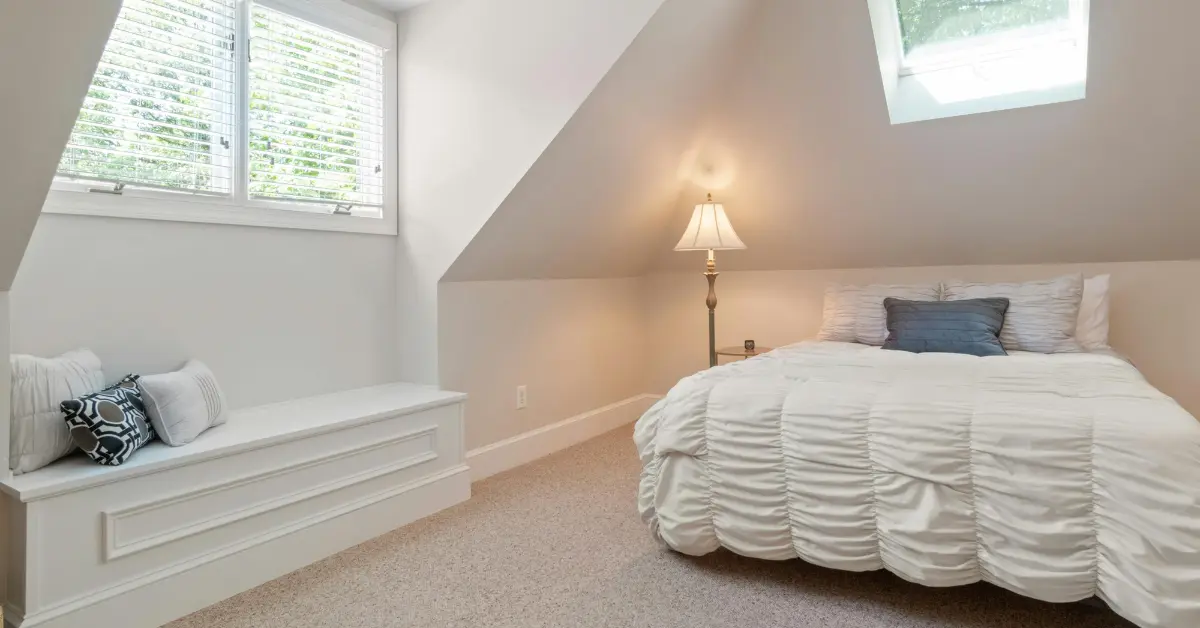
Private sober living apartments are often preferred by women who want more personal space and a greater sense of independence while still living in a recovery-focused environment.
For many, having a private setup feels calmer. There is more room to create your own routine, manage your time, and move through daily life without constant interaction or shared responsibilities.
A private apartment often offers:
- More privacy and personal space
- Greater independence in managing daily routines
- Fewer distractions from shared living dynamics
- A quieter environment for rest and reflection
- More flexibility around personal schedules and downtime
For some women, this setup feels easier to maintain emotionally. Having space to reset can reduce overwhelm and make daily life feel more manageable.
But independence also comes with more responsibility.
In a private environment, there is usually less built-in support woven into everyday life.
That can mean:
- Fewer day-to-day check-ins
- Less natural accountability from others around you
- More responsibility for keeping routines consistent
- Greater reliance on self-discipline during difficult periods
- More flexibility around personal schedules and downtime
That does not mean private sober living is better or worse than a shared setup.
It simply works best when independence supports consistency rather than making it harder to maintain.
Shared Sober Living Apartments: More Accountability and Daily Support
Shared sober living apartments create a different type of environment. Instead of emphasising independence first, they build more connection and accountability into daily life.
In a shared setup, women usually benefit from:
- More built-in accountability
- Shared routines and expectations
- Daily interaction with others in recovery
- A stronger sense of structure
- Peer support during difficult moments
This is one reason many women find shared sober living vs private easier to maintain in the early stages of recovery.
Being around others often creates:
- More consistency in routines
- Less isolation
- Greater emotional support
- Reinforcement of healthy habits
However, shared living is not perfect for everyone.
Some women may find it:
- Less private
- More socially demanding
- Harder to fully recharge emotionally
- More difficult if personal boundaries matter strongly
The key is understanding what kind of environment realistically supports your consistency.
Private vs Shared: The Real Difference Is Independence vs Accountability

When comparing private vs shared sober living apartments, the biggest difference usually comes down to one thing:
Private = more independence
Shared = more accountability
The difference becomes easier to understand when you compare how each environment functions day to day.
Neither setup is automatically better. The better option depends on what helps you stay stable over time.
| Factor | Private Sober Living Apartment | Shared Sober Living Apartment |
|---|---|---|
| Daily Environment | More independent and self-managed | More structured and community-oriented |
| Privacy Level | More personal space and quiet | Shared spaces and more interaction |
| Accountability | Mostly self-managed | More built-in accountability |
| Routine Support | Requires stronger personal discipline | Routines are often easier to maintain |
| Social Connection | Less day-to-day interaction | More peer support and connection |
| Best For | Women with stable routines and stronger independence | Women who benefit from accountability and support |
| Main Challenge | Independence can sometimes turn into isolation | Less privacy and personal space |
- A private apartment may work best if you already have strong routines and can maintain structure independently.
- A shared apartment may work better if consistency becomes harder when everything depends entirely on you.
The decision should not be based only on preference. It should be based on what environment supports progress most realistically.
How Each Option Actually Feels Day to Day?
The difference between private and shared living becomes much clearer in everyday life.
Private sober living often feels like:
- Having your own space to reset and recharge
- Managing routines independently
- Making more personal decisions daily
- Experiencing fewer interruptions
- Having greater flexibility in how you structure your day
For some women, this feels calmer and more sustainable. For others, it can feel isolating when support is needed most.
Shared sober living often feels like:
- Having people around consistently
- Shared accountability and expectations
- Less isolation during difficult days
- More structure built into routine
- Greater connection to a recovery-focused environment
For some women, that consistency creates relief because recovery no longer feels entirely self-managed. Neither experience is universally better. The question is what daily setup makes consistency easier for you.
If you are still trying to understand how sober living typically feels, it helps to explore what daily life in a sober living apartment looks like before deciding.
When a Private Apartment May Be the Better Fit?

Private sober living tends to work best when a woman already has some stability in place and benefits from independence without losing consistency.
A private apartment may work well if:
- You already follow strong routines
- You feel comfortable managing structure independently
- You need quiet and personal space to function well
- You are less likely to isolate when stressed
- You have outside accountability already in place
Private living can feel empowering when independence supports recovery rather than working against it. But honesty matters here. More freedom only helps when routines are already strong enough to hold.
Why Shared Living Creates More Stability and Support?
Shared sober living often works better when consistency feels harder to maintain independently. For many women, having accountability built into daily life makes routines easier to follow.
A shared setup may work better if:
- You struggle with consistency on your own
- Isolation tends to make things harder
- You benefit from peer accountability
- You want more built-in structure
- You feel more stable around others working toward similar goals
For women transitioning into independent recovery housing, shared living can sometimes provide a stronger middle ground between complete independence and structured support.
The goal is not to depend on others forever. It is to create enough stability that independence becomes sustainable over time.
Choose Based on Your Situation - Not Just Preference

The mistake many people make is choosing based only on what feels comfortable. More privacy sounds appealing. More independence feels easier. But comfort and support are not always the same thing.
The better question to ask is: “What level of support actually helps me stay consistent?”
Think honestly about:
- How stable your routines currently are
- Whether isolation helps or hurts you
- How much accountability you realistically need
- What type of environment reduces stress rather than increases it
If you are still unsure what level of support makes sense, it helps to explore how to know what level of support you need before making a decision.
You may also find it helpful to compare what to look for in sober living apartments so the decision feels more practical and less overwhelming.
The Right Living Setup Should Support Consistency
There is no universally “better” answer when comparing private vs shared sober living apartments.
The right choice depends on which environment realistically supports your recovery, routine, and day-to-day stability.
For some women, that means privacy and independence. For others, it means accountability and shared support.
What matters most is choosing the setup most likely to hold when life becomes stressful – not only when motivation is high.
Choose the Environment Most Likely to Support Consistency
The best sober living setup is the one that supports your life realistically. Not just what sounds comfortable. Not just what feels easier.
But what actually helps consistency hold over time?
Confidential. No pressure. Just a conversation to help you feel supported.