
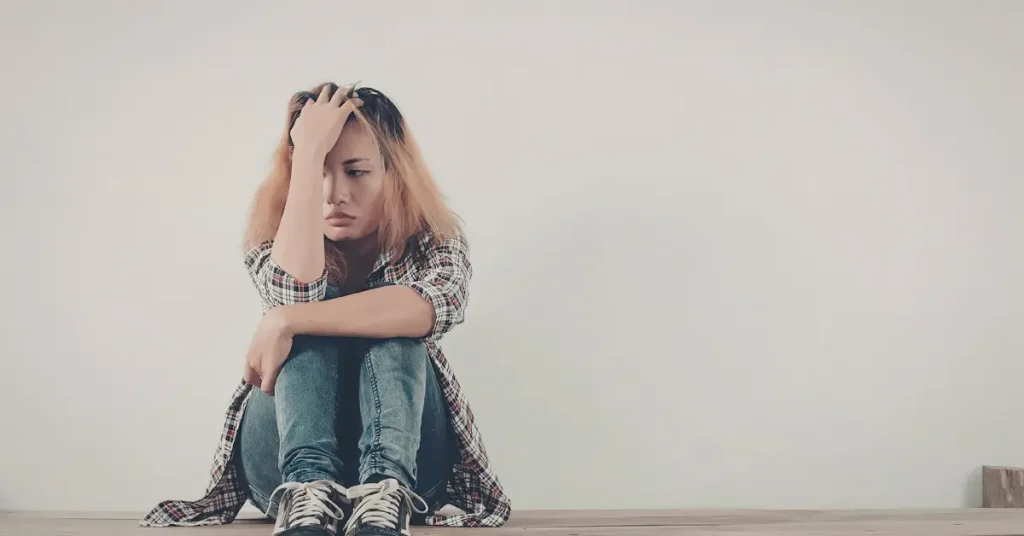
Emotional burnout rarely happens overnight. For many women, it builds gradually through everyday responsibilities, stress, emotional pressure, and constantly trying to hold everything together. At first, it may not even feel like burnout. It can simply feel like being tired, stretched thin, or slightly overwhelmed.
Then over time, something starts feeling different. Daily tasks feel heavier. Motivation becomes harder to access. Even simple responsibilities begin requiring more energy than usual.
This is often how emotional burnout in women starts.
The challenge is that burnout does not always look dramatic. Many women continue functioning, working, showing up for responsibilities, and managing daily life while quietly feeling emotionally exhausted underneath.
Burnout often builds through:
- Constant pressure without enough recovery
- Emotional responsibilities that never seem to stop
- Stress becoming part of everyday life
- Trying to manage too much independently
- Lack of meaningful support or stability
For many women, the issue is not motivation. It is the mental and emotional weight of carrying too much for too long.
Why Emotional Burnout Is Often Hard to Notice at First?

One reason burnout becomes difficult to recognise is because it rarely appears all at once.
Most women do not suddenly wake up feeling completely overwhelmed. Instead, it builds gradually.
At first, it may look like:
- Feeling more tired than usual
- Losing energy for things you normally handle well
- Feeling emotionally drained after ordinary tasks
- Becoming more irritable or mentally exhausted
- Feeling disconnected without understanding why
Because life still continues, burnout often gets ignored.
Many women continue managing responsibilities while telling themselves things like:
“I’m just stressed.”
“Things will calm down soon.”
“I just need to push through this.”
That is part of why burnout can go unnoticed for so long.
You are still functioning. You are still getting things done.
From the outside, everything may appear completely fine. But internally, the emotional load keeps growing. This is especially common among women who are used to being highly responsible, independent, or constantly available to others.
From the outside, it may look like everything is being handled normally, even while emotional exhaustion continues building internally.
What Emotional Burnout Often Feels Like Day to Day?
Burnout does not feel the same for everyone. For some women, it feels like exhaustion that never fully goes away. For others, it feels more emotional than physical.
Common experiences of emotional exhaustion women describe include:
- Feeling mentally tired all the time
- Becoming overwhelmed by small responsibilities
- Feeling emotionally numb or disconnected
- Struggling to stay motivated
- Feeling irritated more easily
- Losing interest in things that once felt manageable
Sometimes the experience feels harder to explain.
It may simply feel like:
- Everything takes more effort than it used to
- Daily routines feel harder to maintain
- Stress feels constant instead of temporary
- Small setbacks feel disproportionately overwhelming
- Rest no longer feels fully restorative
These are often early mental burnout symptoms that slowly build rather than appear suddenly.
The challenge is that many women assume this means they simply need to try harder or become more disciplined. In reality, burnout usually works the opposite way. The more depleted you feel, the harder it becomes to sustain effort alone.
Why Burnout Keeps Building Instead of Improving?
One of the biggest reasons emotional burnout grows over time is because the underlying pressure often never changes.
Many women stay in environments where stress continues without enough recovery, support, or structure.
Burnout often builds when there is:
- Constant emotional pressure
- Little time to reset or recover
- High responsibility with limited support
- Unpredictable routines or instability
- Pressure to manage everything independently
When daily life constantly feels demanding, recovery becomes difficult. Even when motivation exists, emotional capacity slowly decreases.
This is where environment matters more than many people realise. The issue is not always personal resilience.
Sometimes it is the reality of trying to function in an environment that keeps asking more than it gives back. Over time, burnout becomes less about a stressful week and more about an unsustainable pattern.
This is especially true when women are trying to manage major life transitions, emotional recovery, or increased independence without enough support around them.
If daily life has started feeling harder to manage recently, it may help to explore when independence becomes overwhelming after treatment and why too much responsibility at once can quietly increase emotional strain.
When Emotional Burnout Starts Affecting Daily Life?
Burnout becomes harder to ignore when it begins affecting everyday consistency. This often happens gradually.
You may notice:
- Routines becoming harder to maintain
- Everyday tasks feeling mentally exhausting
- Difficulty staying organised or focused
- Increased emotional sensitivity
- More inconsistency in habits and responsibilities
- Feeling overwhelmed by decisions that once felt simple
At this stage, many women start feeling frustrated with themselves.
It becomes easy to think: “Why can’t I just handle this?”
But burnout is rarely about capability. It is often about capacity.
When emotional energy stays depleted long enough, even manageable responsibilities begin feeling heavy. This is why burnout affects more than mood.
It often changes:
- Energy levels
- Daily consistency
- Stress tolerance
- Decision-making
- Emotional regulation
The longer burnout builds without support, the harder daily life often starts feeling.
What Actually Helps When Emotional Burnout Build?

Burnout recovery is rarely about doing more. For many women, what actually helps is reducing pressure and increasing support.
That may include:
- Creating more structure in daily life
- Reducing unnecessary emotional stress
- Building healthier routines
- Having more accountability and consistency
- Spending time in environments that feel stable rather than overwhelming
A healthier environment often makes a bigger difference than expected.
When daily life becomes more predictable, emotional energy usually improves too.
Helpful support systems often include:
- Stable routines
- Clear expectations
- Reduced overwhelm
- Emotional support when needed
- More manageable day-to-day structure
This is why burnout recovery support often works best when it addresses environment, not just stress itself.
For women feeling emotionally stretched thin, stability matters.
If you are evaluating what type of environment may feel more supportive, it helps to understand what to look for in sober living apartments and what actually creates consistency in everyday life.
When More Support May Be the Right Next Step?
There comes a point where trying to manage everything alone simply becomes exhausting. That does not mean failure. It may simply mean the level of support needs to change.
Many women reach a stage where:
- Independence starts feeling overwhelming
- Stress feels harder to regulate
- Daily life becomes inconsistent
- Emotional exhaustion continues building
In those moments, having more structure can help.
Support does not have to mean giving up independence. Often, it simply means creating an environment where daily life feels easier to manage.
For some women, that means:
- More accountability
- More consistency
- Reduced emotional overwhelm
- Greater stability in routine
The goal is not dependence. It is about creating enough support so daily life feels manageable again.
If burnout has started affecting everyday consistency, it may help to understand how private vs shared sober living apartments differ and what level of support may realistically fit your situation.
Feeling Burnt Out Does Not Mean Something Is Wrong With You

Many women assume burnout means they are not coping well enough. That belief often creates even more pressure. The reality is much simpler.
Emotional burnout often builds when too much responsibility, stress, and emotional pressure continue without enough recovery or support.
The issue is not always effort. Sometimes it is carrying too much for too long.
Recognising burnout early matters because the longer it builds, the harder daily life usually becomes.
Find an Environment That Feels More Supportive
If emotional exhaustion has started affecting daily life, it may be worth asking whether the issue is not motivation, but environment.
The right support should help daily life feel steadier, more manageable, and less overwhelming.
Confidential. No pressure. Just a conversation to help you feel supported.