

Motivation can feel strong at the beginning of recovery, but it rarely stays steady every day. Stress, fatigue, loneliness, and ordinary life can all affect how driven a woman feels. That does not mean recovery is failing. More often, it means motivation was never meant to carry recovery alone. Community, accountability, and consistent support are often what help women stay connected to recovery when motivation naturally rises and falls.
Does Community Matter More Than Motivation During Recovery?

Often, yes. Motivation can be helpful, but it naturally changes over time. Community tends to matter more for long-term recovery because it adds accountability, support, connection, and consistency on days when motivation is low. For many women, recovery becomes more sustainable when it is supported by people, routines, and relationships rather than depending on willpower alone.
Why Motivation Isn’t Always Enough During Recovery?
Motivation matters, but it is not always reliable. It can feel strong after treatment, after a breakthrough, or during a hopeful stretch of recovery. But like energy, mood, and confidence, motivation often shifts.
If that emotional side of recovery feels familiar, Why Rebuilding Confidence During Recovery Takes Longer Than Most People Expect explores why progress can feel slower and less certain than many women expect.
Why motivation naturally fluctuates
- stress and emotional overwhelm can drain momentum
- life responsibilities can pull attention away from recovery habits
- fatigue, conflict, or loneliness can make consistency harder
- progress may feel slower over time, even when recovery is still moving forward
- ordinary routines can feel repetitive, which can affect motivation even when commitment is still there
That is why many women discover that wanting recovery and staying consistent with recovery are not always the same thing. A woman may care deeply about her sobriety and still have days when she feels discouraged, disconnected, or tired of carrying everything alone.
Motivation also tends to work best as a spark, not as the entire system. It can help someone begin, recommit, or push through a difficult day, but it usually cannot replace structure, accountability, and steady support over time.
Why Motivation Naturally Changes Throughout Recovery?
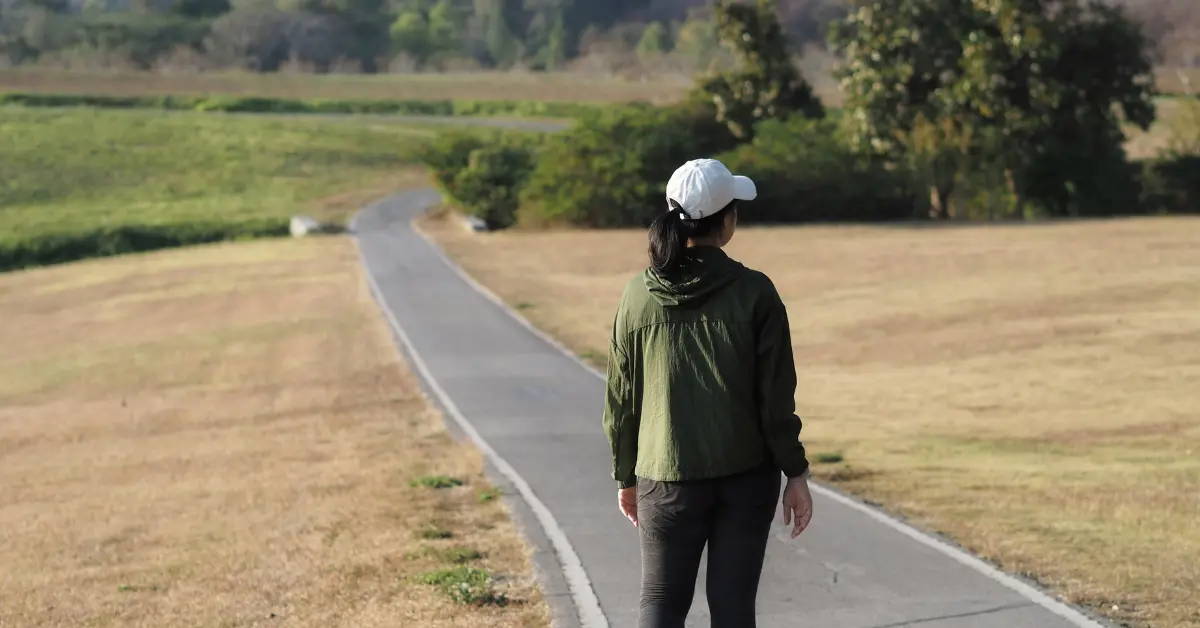
Recovery is not one emotional state. It includes good weeks, heavy weeks, practical stress, unexpected setbacks, and stretches where life simply feels ordinary again. Because of that, motivation often changes throughout recovery in ways that are completely normal.
Common reasons motivation can feel lower
| What changes | How it can affect recovery motivation |
|---|---|
| Stress at work or home | Makes recovery feel harder to prioritize emotionally |
| Emotional ups and downs | Can reduce energy, focus, and follow-through |
| Less novelty in recovery | May make progress feel quieter or less visible |
| Relationship tension or isolation | Can leave women feeling discouraged or disconnected |
| Daily responsibilities returning | Can create fatigue and decision overload |
What that does not mean
- it does not automatically mean recovery is failing
- it does not mean a woman is weak or not committed
- it does not mean she has “lost” her recovery
- it often means she needs more support, not more shame
This can feel especially true after treatment, when women suddenly have more freedom but less built-in structure. A drop in motivation during that phase does not always mean something is wrong. In many cases, it overlaps with the kind of transition explored in Why Some Women Feel Lost After Treatment Ends, where recovery starts requiring more self-direction than it did inside treatment.
What Community Provides When Motivation Is Low?
Community matters because it keeps recovery visible even on days when motivation fades into the background. It gives women people, routines, and support systems to lean on when they do not feel strong enough to rely on momentum alone.
What community often provides
Accountability
Community creates gentle pressure to keep showing up. That may mean attending meetings, checking in with sober living staff, answering a text, or staying connected to people who notice when a woman starts pulling away.
Encouragement on difficult days
Motivation tends to disappear fastest when life feels heavy. Community can offer perspective, reassurance, and reminders that a hard week does not erase progress.
Shared experience
Women often feel less isolated when they are around people who understand recovery from the inside. That kind of connection can reduce the sense of having to explain every struggle alone.
Recovery staying visible
When recovery is part of a woman’s environment—not just a private goal—it becomes easier to stay connected to it. Conversations, routines, meetings, and sober relationships all help keep recovery in view.
Consistency when feelings fluctuate
Community can carry some of the weight on days when motivation is low. It does not remove personal responsibility, but it makes consistency easier to maintain when emotions are less steady.
Community should not be confused with dependency. The goal is not for women to rely on other people instead of building strength. It is for recovery to exist inside a network of support rather than in isolation.
That often matters because self-criticism can grow quickly when women feel like they should be able to stay motivated on their own, which is part of what Why Shame Can Make Recovery Feel Harder Than It Needs To helps explain.
Why Women Often Recover Better in Supportive Communities?

Women often recover better in supportive communities because recovery becomes easier to protect when it is reinforced by the environment around them. Community does not make recovery effortless, but it can make it feel less lonely, less chaotic, and more sustainable over time.
Supportive communities often help by creating:
- connection during periods of isolation or discouragement
- accountability without requiring women to carry recovery alone
- shared structure through meetings, sober living routines, and check-ins
- encouragement when motivation or confidence dips
- a sense of belonging that makes recovery feel more livable
For some women, that support also creates a greater sense of emotional steadiness. Being around people who communicate respectfully, understand recovery, and reinforce healthy routines can reduce some of the emotional sharpness that makes recovery harder to sustain. That overlap is part of why Why Recovery Feels Different When You Finally Feel Safe resonates for so many women trying to understand why support can change the day-to-day recovery experience so much.
How Community Helps Create Long-Term Recovery Stability?
Long-term recovery usually depends more on consistency than intensity. Community helps with that by making it easier for women to stay connected to recovery across ordinary days, stressful weeks, and periods when motivation naturally declines.
How community supports long-term stability
It helps routines stick
When women are surrounded by recovery-minded people, routines are easier to maintain. Meetings, shared expectations, check-ins, and daily structure can all reinforce consistency.
It makes accountability feel more normal
Accountability is easier to accept when it feels like part of a supportive system rather than criticism. Community can make honesty, follow-through, and asking for help feel more natural.
It keeps recovery from becoming invisible
Recovery can slip into the background when life gets busy. Community helps keep it present through conversations, shared experiences, and regular connection with people who understand why it still matters.
It reduces isolation during low-motivation periods
A woman who is connected to support is often less likely to disappear into discouragement, shame, or emotional withdrawal when recovery feels harder than usual.
It supports progress over perfection
Community can remind women that consistency is not the same thing as feeling inspired every day. Showing up imperfectly still counts, and long-term recovery often depends on that mindset.
For many women, this kind of support works best when it extends beyond motivation into everyday structure and relationships. In some cases, family becomes part of that support system too, which is why Family Support and Women’s Sober Living can matter for women trying to build more stability around recovery rather than relying on willpower alone.
Recovery Often Feels Easier When You Don’t Have To Do It Alone
Motivation can help a woman begin recovery, but it is rarely enough to carry her through every difficult day, stressful season, or low-energy stretch on its own. Community often matters more because it gives recovery somewhere to live outside of mood, momentum, or willpower.
If staying consistent feels harder than it should, the answer may not be trying to feel more motivated. It may be looking more closely at what kind of support, accountability, and connection could make recovery feel steadier.
Confidential. No pressure. Just a conversation about finding the support that helps recovery feel more stable and sustainable.
Frequently Asked Questions About Community and Recovery
Why is community important during recovery?
Community can provide accountability, encouragement, support, and connection that help women stay engaged in recovery when motivation is inconsistent.
Can motivation disappear during recovery?
Yes. Motivation naturally rises and falls during recovery because stress, emotions, life responsibilities, and routine changes can all affect it.
How does accountability help recovery?
Accountability helps women stay connected to routines, support, and honest follow-through, especially during periods when motivation is low.
Why do support systems matter?
Support systems reduce isolation and make it easier to ask for help, stay grounded, and keep recovery visible during difficult periods.
Can sober living provide community support?
Yes. For many women, sober living offers daily structure, accountability, peer connection, and a recovery-focused environment that reinforces consistency.
Do women recover better in supportive communities?
Often, yes. Supportive communities can make recovery feel less isolating and more sustainable by reinforcing connection, routine, and accountability.